There are really good reasons to plant in fall, like a second wind for those of us who thought the drought would never end.
The “Stem” Project
This time of year, many gardeners start to clear-cut the seed heads and dead stems in their gardens. There is a compelling case to be made for NOT.
In Uncertain Times, The Tough Plant
Victory Gardens. They embody our nation’s pulling together during wartime, and sharing with and supporting our allies. When the going gets tough, the tough get going. Or in this case, gardeners double down.
Organic Gardening in Small Spaces
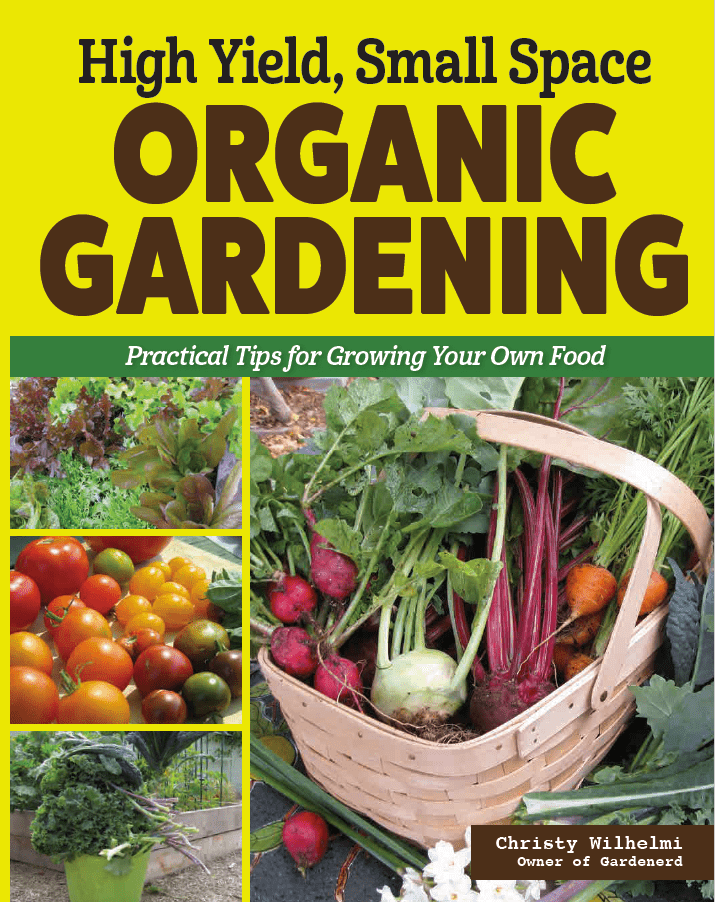
First, full disclosure: I serve with author Christy Wilhelmi on the Sustainability Committee of GardenComm, the international garden communicators’ association, but even without that connection, I’d be happy to review High Yield, Small Space Organic Gardening: Practical Tips for Growing Your Own Food. First published in 2013, the book’s been updated to include more recent science – for example using drinking-water safe hoses rather than those that potentially leach chemicals into you (or your kids), the soil, and your veggies.
During Covid, new gardeners, even those with a napkin of space, planted something to eat.
In the book, Wilhelmi, owner of Gardenerd, offers a wide range of potential options for creating a healthy space to grow food. Stuffed with color pictures and experience-and-research-based advice, the book packs a lot into a relatively small space of its own – sidebar tips, chapters on creating your garden ecosystem with attention to the health of the soil, the pollinators, and the plants, plus DIY projects and recipes. She’s a proponent of using repurposed materials, if possible, but includes a caution about potential hazards, like the fly ash in in cinder block that might off-gas heavy metal residue that could leach into ground water. Additionally, she offers a comparison of DIY material cost versus longevity, noting that considering how long you will be garden on that particular property is worthwhile.
While Wilhelmi says balance in the ecosystem is the best way to achieve the healthiest results, she knows it’s rare these days, so offers practical advice on how to work toward it piece by piece. The book also includes several useful lists – 10 best crops for balconies or patios, 10 Best Crops for Seniors, 10 best crops for kids, each with color images and descriptions – that can act as a good starting point for new gardeners or gardeners with new circumstances. Well-organized, succinct, and accessible, the book is a good addition to a food gardener’s shelves.
High Yield, Small Space Organic Gardening:
Practical Tips for Growing Your Own Food by Christy Wilhelmi
Creative Homeowner (April 8, 2025) $16.99
Calling All First-Time Gardeners
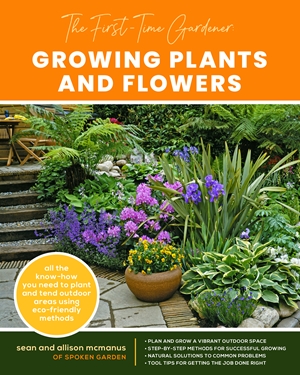
Let me state right up front: I’d recommend this book to every newby gardener I could find.
The pandemic produced a cohort (pun intended) of new gardeners who, confined to quarters, wisely looked to Nature to enhance their lives and those of their neighbors. They peered around the outdoor spaces of what had become their enforced staycation spot and thought: OK, now what?
The McManuses have answers. Like more formal ‘horticultural’ books, the McManuses offer encouragement in the form of what a life-enhancing and educational enterprise gardening is, but they steer clear of the ‘look what I have that you don’t’ competitiveness that can erupt among even the most civilized gardeners. They know that what virtually every gardener, new or not, needs most, aside from encouragement, is down-to-earth, science-based advice.
There’s plenty here, and it’s organized in a clear, concise and straightforward way with pullout boxes of tips, planting hacks, and more, making it easy to hunt up answers to questions on the spur of the moment. For example, if you’re wondering how to sift through the Las-Vegas-showgirl cast of inappropriate horticultural characters you can find at big box stores, they suggest, gently, you do some quick homework about your own space first – figure out your sun, shade, soil type, hardiness zone. Then, when you go, read the plant tags instead of getting seduced by the showy leaves or bosomy blooms of something that will be a huge disappointment as well as waste of time and money.
There’s a primer on compost, its relationship to soil care, including improving tilth, as well as creating it in your very own space from your very own vegetative kitchen waste. Composting is not only a way to wring every last nutrient out of the money you’ve spent on veggies and fruits at the market. It also cuts down on garbage (and therefore what goes into municipal landfills). Win-win-win.
There are alsolots of photos that illustrate all the things they are working to inform new – and maybe even some experienced – gardeners about.
I was mildly disappointed that the book did not include at least a mention of vegetables, which are beautiful annual plants in addition to their food value, and with that a mention of testing the soil not only for its texture (something they quite rightly say you can do yourself) but for its pH and possible contaminants (which can be done by several university extension services). A professional soil test is important to anyone who wants to grow something to eat.
Urbanites were especially hard hit by their pandemic confinement in 2020, and many people started small first-time victory gardens when they ran out of freezer-burned vegetables and dried beans. (Raised beds and organic potting soil can usually solve the contaminated soil issue, but you need to know). The book has various pieces on pollinators, which is another reason I was hoping there would be a few veggies in there – a variegated-leafed fish pepper plant or an apricot runner bean. Imagine hummingbirds in the beautiful blooms of your beans that are climbing up a trellis in your sunny border. The pollinators (butterflies! honeybees!) like veg blooms as well as native perennials and annuals and will ensure that the vegetables will be pollinated without any other effort on your part. (China has so degraded some parts of its rural environment that apples and other fruits have to be hand-pollinated). But I slightly digress: the absence of veggies and soil testing for chemistry in the book is a mere quibble. As I said initially, I’d recommend it to virtually all the new gardening initiates I could find because:
The First Time Gardener tackles in a friendly, succinct and easily accessible way, a range of things any gardener, but especially a new gardener, will need to know.
Land/Water Quality Connection
Gardening might seem an odd thing to find in Chesapeake Bay Magazine, which was for many years focused solely on Chesapeake boating — sailing, fishing, boatbuilding, and all things boats and water. It’s not. Here’s why:
Homegrown National Parks

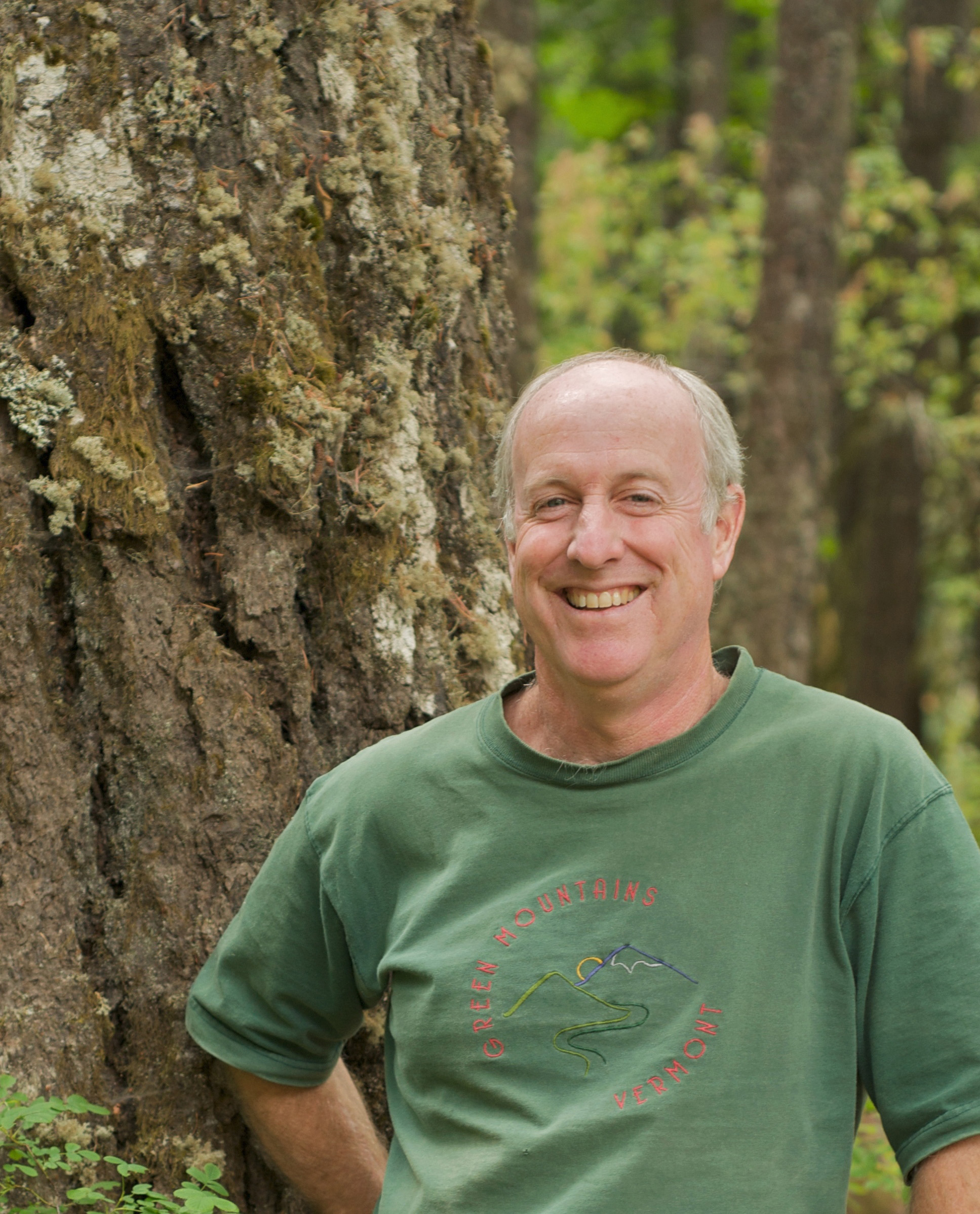
Yard by yard, property by property, Dr. Doug Tallamy, Entomology and Wildlife Ecology professor at University of Delaware, believes it’s possible to reverse the damage that wanton, unthinking ‘development’ has wrought. He believes it because he’s seen it on his own property. When he and wife Cindy moved into a house on a swathe of virtually uninterrupted lawn, he began to plant. Years later, it’s a wealth of wildlife, fragrance, beauty and habitat that proves that ‘if you build it, they will come.’
Author of several books, including Bringing Nature Home, that detail the needs of wildlife and the benefits to humankind, Tallamy’s latest effort to reverse the damage and with it mitigate climate change is Homegrown National Park, an idea whose time has definitely come.
The Homegrown National Park program encourages every property owner to plant and steward their property for the sake of the lives of the food web on which we all depend for our own lives.
He reminds us that each of us manages a corner of the earth that when joined to our neighbors’ properties is part of a larger landscape. His point is that together we can create a national park of naturalized spaces everyone can enjoy that also hugely benefits the environment and mitigates the damage that has produced climate change. The Homegrown National Park program, which offers human connection, science-based information and sources, gives both concrete (she said ironically) steps to take and encouragement for what those steps will produce. Planting for pollinators, which draws a wonderful parade of butterflies and birdlife (something that many in Pandemic 2020 unexpectedly reveled in) and produces not only a more beautiful property but also a more valuable one. It also helps to diminish ambient temperatures while beginning to replace the millions of acres of habitat lost to the food desert that is created by unbroken expanses of chemically sustained lawn. It’s win-win, and it all starts with a commitment to improve your own little piece of earth. Visit https://homegrownnationalpark.org. (There’s also a spiffy sign you can put in your property to wow the neighbors!)
Book Review:The Vegetable Garden Pest Book by Susan Mulvihill

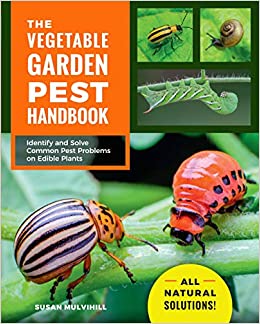
Let me start off by saying I really like this book. Although the info sheet that accompanies The Vegetable Garden Pest Book by Susan Mulvihill talks about climate change and its effect on newly invasive pests that attack edibles, most of what’s inside are the same pests and the same problems I’ve been dealing with in my Mid-Atlantic vegetable garden for decades. But that’s a quibble with the info sheet rather than the book itself, which is a terrific tool for almost anyone who works to produce food from their little bit of earth.
Master Gardener and author of the blog, Susan’s in The Garden, Mulvihill has been educating gardeners for years about what’s eating their plants and what to do about it without harming either the ecology or yourself. There are large, detailed and very useful photos of the pests she covers. You could take out to the garden to doubt-check a critter you think might be a problem before you squash it, or to identify something you’ve just encountered eating your squash and find out the best way to deal with it.
In addition there are DIY projects that virtually anyone with a few basic tools could tackle, along with – again – great photos of the work in progress. This book is the next best thing to having Mulvihill living next door and coming out with you – plus she has a lively sense of the challenges and pitfalls faced by virtually any gardener, regardless of experience. In other words, she’s like having a friend who is knowledgeable and able to impart that knowledge without making you feel stupid. It’s a gift.
The Vegetable Garden and Pest Book would make a particularly good gift for some of the newly-minted pandemic gardeners, who may be on the fence about continuing when the world opens up again. It will offer a clear path to success – an encouragement that every gardener, regardless of experience, will appreciate.
HELPING FAILING FRIENDS
We had dinner last night with friends who live on their own and are in their late eighties — active, smart, irritating and kind friends, who are like family since they have been part of my husband’s landscape since he was a kid. They are failing, rather suddenly, both physically and mentally. They are, essentially, family, and no matter our differences over the years, we love them. So, we want to help. The question is: How?
On the one hand, it’s not officially any of our business. On the other, as human beings and neighbors, we are all interconnected and we affect and are affected by each other. If we haven’t learned that this past Covid year, we haven’t been paying attention AT ALL.

There are hurtles to what we view as helping: they have always been extremely active and independent; they have no access to public transportation; they have actual family who are in dispute over whether or not they need help.
And yet, yesterday evening it almost seemed as thought the husband was showing us that he knew he needed help, that he was recruiting us, not to come take care of them, but to help them make a decision about a change that they would most likely fight tooth and nail, and that at least one of their children will likely work hard to block. Rock and hard place come to mind.
Even when it’s your own family, it can be difficult. My brother and I completely agreed on the situation my father was in before he died — terminal cancer, should not have been driving, married to an alcoholic — but we totally disagreed about how to tackle the problem(s). We stumbled along, sometimes working in concert, sometimes arguing, (i once hung up on him in the midst of his giving me a lecture about how wrong I was — it felt very good), and praying that our dad wouldn’t hurt anyone before he shuffled off this mortal coil. That was the biggie for us both. No stranger to strong drink, blind in one eye, with only one arm and one leg operational, he should not have been driving. Even when my brother took away the keys, our stepmother let him drive her car.
In the fullness of time, our dad made it out of this life peacefully — I was with him — without hurting anyone, for which my brother and I were both grateful. There was no malice in our dad at all — there was fear and denial and perhaps selfishness, but no malice. Which is true of our friends. (And possibly most of us).
We were lucky. Our stepmother later died in a single-car crash. I was grateful it had not happened on our watch.
“Watch” is one of the operative words in this: we have not figured out any way to actively help our friends — except to be there. So, when she drives to our house several times a week and bangs on the door, I walk the yard with her for a while. When invited, we go to their house for dinner and help to cook, clear up, listen to oft-told stories and answer the same question six times. It doesn’t feel like enough, or even the right thing. But it’s what we can do, and that may be what love and support look like.
Falling Friends and Prevention
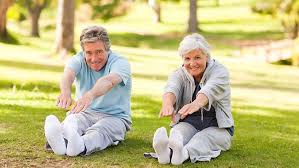 For several days I’ve had a bookmark on a post that I’d read but had not linked to (from sheer laziness primarily, but also a little bit of clearing out, so I’m not a complete slug). Then a friend had a fall, ended up in the hospital and as of yesterday, had a new hip installed. I’m so grateful that my friend will be OK in time. I’m also grateful that replacement parts are available. (We can have the insurance discussion later).
However, prevention’s by far the better route. To that end, when I read the post (link below), I thought: A) yep, gonna link and post that and B) yep, gonna make a greater, more concentrated effort to expand my stretching and what I do to keep muscle tone and therefore balance and an active life.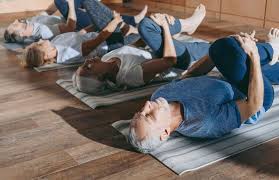
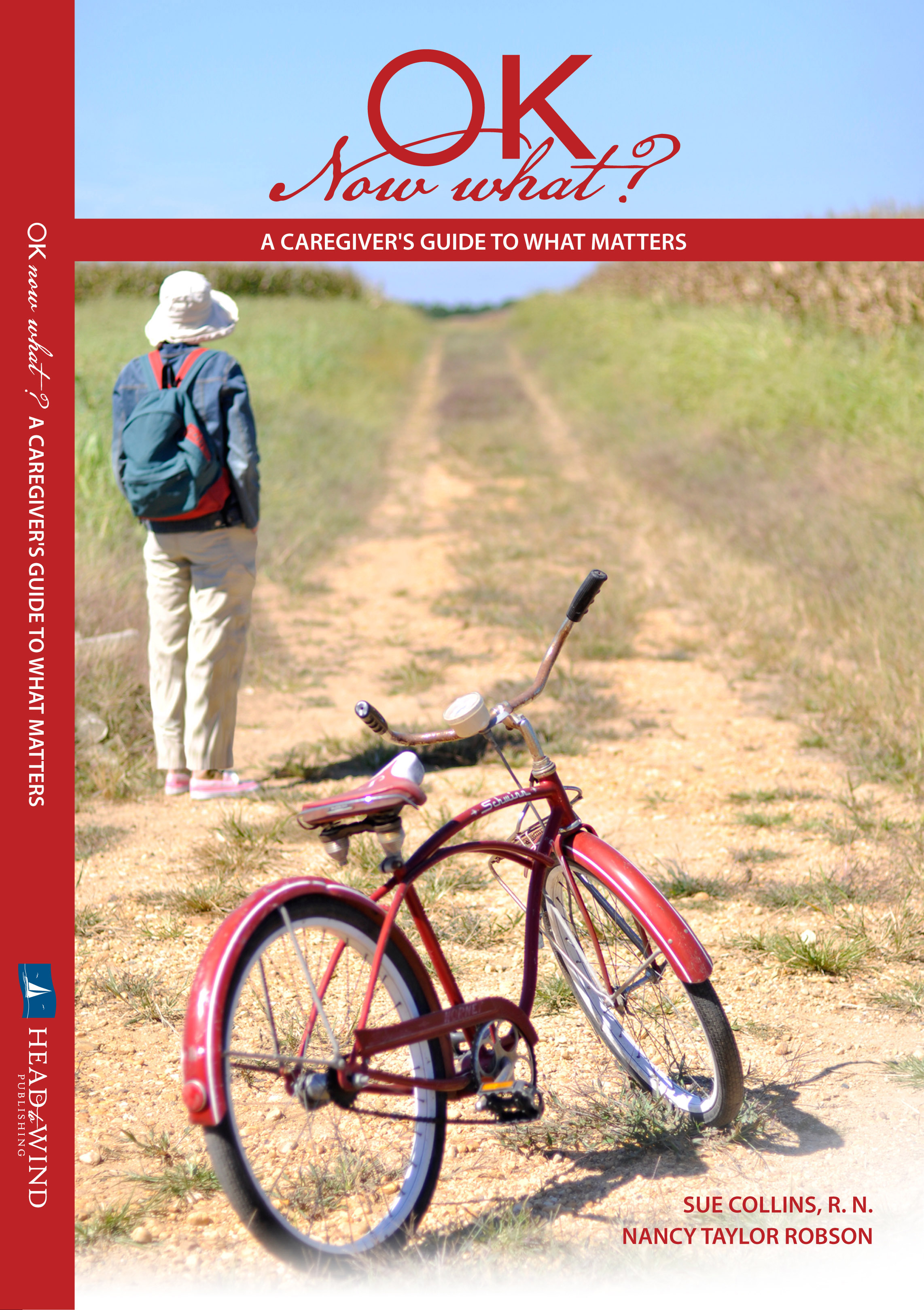
OK Now What? A Caregiver’s Guide to What Matters* (as I never tire of saying, the winner of the Friendly Caregiver Award from Caregiver Today magazine) has RN-experience-based recommendations for good body mechanics for those who are caring for people struggling with mobility — a means of retaining their own stability. It’s all about maintenance!
*available at:
 Nancy Taylor Robson